
Exploring the psychological effects of gambling on decision-making processes
The Nature of Gambling and Decision-Making
Gambling is a complex activity that intertwines excitement with risk, often leading individuals to make decisions that can significantly impact their lives. The psychological effects of gambling can warp rational decision-making processes, altering how individuals perceive risk and reward. For those interested in the thrill of gaming, mafia casino online offers numerous opportunities while understanding this relationship is crucial, as it sheds light on why some gamblers may chase losses or make impulsive bets despite adverse outcomes.

Many gamblers enter a zone known as “loss chasing,” where they double down on losing bets in hopes of recovering their losses. This behavior is heavily influenced by cognitive biases, such as the illusion of control, where individuals mistakenly believe they can influence the outcome of a random event. Consequently, this perception can lead to further irrational decisions, often culminating in significant financial setbacks and emotional distress.
The thrill of gambling can activate the brain’s reward centers, releasing dopamine and creating a euphoric feeling that reinforces risky behaviors. The anticipation of a big win can cloud judgment, making it difficult for individuals to weigh the odds objectively. This emotional high can skew decision-making processes, compelling gamblers to overlook potential negative consequences in favor of short-term gratification.
Cognitive Biases in Gambling
Cognitive biases play a substantial role in gambling behavior, impacting how decisions are made and perceived. One common bias is the “gambler’s fallacy,” which leads individuals to believe that past events influence future outcomes in random games of chance. This misconception can encourage players to place bets based on previous losses or wins, further entrenching them in a cycle of poor decision-making.
Another significant bias is overconfidence, where gamblers may overestimate their ability to predict outcomes. This inflated self-perception can lead to riskier bets and strategies that are not grounded in reality. For example, a player might stick to a losing strategy, convinced that their luck will change, thus making decisions that are ultimately detrimental to their finances and mental health.
These cognitive biases not only affect individual decision-making but also contribute to societal perceptions of gambling. When a gambler experiences a significant win, it may reinforce the belief that success is attainable, leading to more people engaging in gambling. This cycle perpetuates distorted decision-making and can escalate issues related to gambling addiction.
The Emotional Impact of Gambling
The emotional rollercoaster of gambling can have profound effects on decision-making. Winning can create a sense of euphoria, while losses often lead to feelings of frustration and desperation. These emotional highs and lows can influence how individuals make subsequent decisions, often pushing them to gamble more in hopes of recapturing previous wins or mitigating losses.
This emotional impact can cloud rational judgment, causing gamblers to overlook their financial limits or ignore the advice of friends and family. Furthermore, the guilt associated with gambling losses can lead to isolation and secrecy, which may drive individuals deeper into problematic gambling behaviors. This emotional toll further complicates their decision-making processes, as emotional pain can lead to a lack of clarity and increased impulsivity.
The interplay between emotions and decisions in gambling contexts highlights the need for awareness and education on responsible gambling practices. Understanding the emotional triggers that lead to poor decision-making can equip individuals with the tools to make better choices and mitigate the risks associated with gambling.
The Social and Environmental Influences on Gambling Behavior
Gambling does not occur in a vacuum; it is heavily influenced by social and environmental factors. The presence of peers can amplify the thrill of gambling, encouraging riskier bets and hasty decisions. Social settings, such as casinos and online platforms, often promote an atmosphere of excitement and competition, making it easier for individuals to lose sight of their limits.
Moreover, advertising and marketing strategies frequently glamorize gambling, creating an allure that can skew decision-making processes. Promotional bonuses and enticing narratives about ‘big wins’ can draw people into gambling scenarios without considering the potential financial risks involved. This marketing can especially target vulnerable populations, leading to increased susceptibility to poor decision-making.
Additionally, societal norms and perceptions around gambling can influence individual choices. In communities where gambling is normalized or celebrated, individuals may feel pressured to participate, often overlooking their personal financial situations. Such social pressures can lead to compounded negative decision-making and exacerbate the psychological effects of gambling.
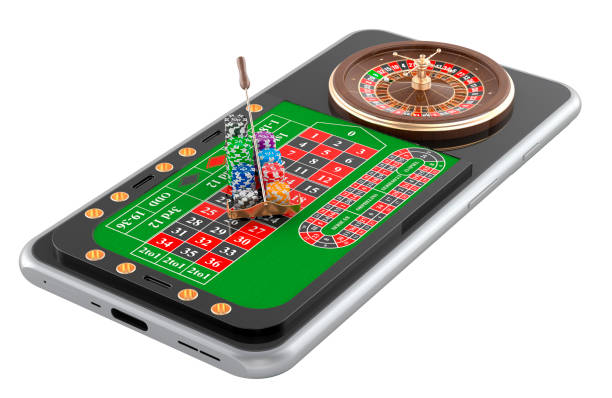
Mafia Casino: A Safe Gaming Environment
Mafia Casino, launched in 2025, prioritizes player safety and responsible gaming, ensuring that the psychological effects of gambling are managed appropriately. The platform operates under a respected gaming license and employs stringent KYC policies, promoting fair play and secure transactions. This commitment to safety allows players to engage in gambling activities without compromising their financial and emotional well-being.
The casino features an extensive array of games, from slots to live events, catering to various gaming preferences while fostering an engaging environment. The presence of regular promotions and generous bonuses encourages a responsible approach to gambling, allowing players to enjoy their experience without the risk of falling into negative psychological patterns. Additionally, the responsive customer support team is available to assist players, emphasizing the casino’s dedication to player satisfaction.
By providing a structured and secure gaming experience, Mafia Casino aims to mitigate the adverse psychological effects of gambling. Players are encouraged to gamble responsibly and make informed decisions, thus promoting a healthier approach to entertainment and minimizing the risks associated with gambling behavior.